

A healthy smile can shape how you eat, speak, and feel each day. If you’re searching for brasssmile com, you may want to understand what the website offers and whether its information deserves your attention. Brasssmile com covers topics connected with dental care, oral health, modern dentistry, and smile improvement, making it relevant to readers exploring different treatment options.
From preventive advice to cosmetic procedures, online dental content can help you learn before visiting a professional. Still, not every website provides the same level of accuracy or expertise. In this guide, we’ll explore Brasssmile com, its content, potential benefits, limitations, safety, and ways to verify dental information before making important decisions.
What Is Brasssmile com?
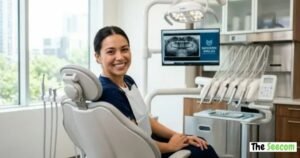
BrassSmile appears to be a dental-focused platform centered on modern dental services, smile care, and educational information. Its subject matter can help readers understand common procedures, oral concerns, and questions worth asking before professional treatment.
The value of online education starts with clarity. Readers may encounter terms such as veneers, dental implants, clear aligners, and crowns without knowing their differences. General information can explain these terms, yet a dental examination remains essential before making a personal treatment decision. A dentist can assess your teeth, gums, bite, and overall needs.
Why Are People Searching for Brasssmile com?
People often search for BrassSmile com when they want quick answers about dental procedures or the website itself. Some may be researching smile improvement, while others may want to understand treatment choices before visiting a dentist. That makes search intent broader than a simple clinic lookup.
A curious reader might search for whitening today and implants tomorrow. Someone else may want to check whether a website deserves trust. Good online research should answer both questions. Look for clear authorship, useful sources, recent information, and realistic claims. Those signals help separate helpful education from questionable health advice.
Main Topics and Services Covered by Brasssmile com
Dental information covers far more than appearance. Preventive dentistry focuses on stopping problems early, while cosmetic dentistry improves visible features. Restorative dentistry repairs damaged structures, and orthodontic care addresses tooth position and bite concerns.
These areas often overlap in real treatment. For example, a dentist may manage tooth decay before discussing veneers. Likewise, gum disease may need treatment before an implant or cosmetic procedure. Understanding that sequence helps patients see why dental treatments should follow a proper diagnosis.
| Dental area | Main purpose | Common examples |
|---|---|---|
| Preventive care | Protect teeth and gums | fluoride treatment, dental sealants, examinations |
| Cosmetic care | Improve appearance | professional teeth whitening, dental bonding, veneers |
| Restorative care | Repair function | dental fillings, dental crowns, bridges |
| Orthodontic care | Improve alignment | clear aligners, traditional braces, retainers |
| Implant care | Replace missing teeth | dental implants, implant crowns |
| Gum care | Protect supporting tissue | periodontal care, deep cleaning |
Brasssmile com and Modern Dental Care
Modern dental care looks beyond a bright smile. It considers healthy teeth, strong gums, and proper bite balance together. Good preventive care can reduce future problems, while restorative treatment can rebuild teeth after damage. Cosmetic procedures then become one part of a broader oral health strategy.
For many patients, the best outcome comes from combining several services. A person with worn teeth might need restorative work before cosmetic improvement. Someone with crowded teeth may benefit from orthodontics first. A dentist should create a personalized treatment plan after reviewing the mouth rather than choosing procedures from photographs alone.
Why Preventive Dental Care Matters
Prevention gives your mouth a stronger starting point. Regular examinations, dental cleaning, fluoride products, and dental sealants can help manage common risks. The American Dental Association recommends brushing twice daily with fluoride toothpaste and cleaning between teeth regularly.
Cosmetic and Restorative Care Together
A cosmetic smile makeover shouldn’t hide an untreated problem. Dental restoration may need to come first when teeth have decay, cracks, or severe wear. Once the mouth is stable, cosmetic treatment can focus on shape, shade, proportion, and appearance.
How Modern Dental Technology Improves Patient Care
Digital dentistry has changed how many dental practices examine and plan treatment. Digital X-rays, intraoral cameras, and digital impressions can provide detailed information without relying only on traditional methods. These tools can also make explanations easier for patients.
More advanced cases may use 3D dental scans and digital treatment simulations. Such technology can support implant planning, orthodontic analysis, and complex restorative work. However, equipment doesn’t make decisions by itself. A qualified clinician still needs to interpret findings and combine them with a proper dental diagnosis.
Digital X-Rays and Imaging
Digital X-rays can help dentists examine areas that aren’t visible during a normal visual check. They may reveal decay between teeth, bone changes, root problems, or other concerns. Dentists choose imaging based on clinical need rather than simply taking scans routinely.
Digital Impressions and Scanning
Traditional impressions can feel awkward for some patients. Digital impressions use scanning technology to capture the shape of teeth and nearby tissues. These records can support crowns, aligners, bridges, and other forms of treatment planning.
Three-Dimensional Treatment Planning
Three-dimensional scans can provide a deeper view of dental structures. Dentists may use them when planning implants or evaluating complicated anatomy. The resulting information can improve communication, although technology still works best alongside a careful clinical examination.
Is Brasssmile com Legit and Safe to Use?

Assessing an online health website requires more than checking whether it looks professional. Readers should examine its ownership information, contact details, authorship, sources, privacy practices, and overall transparency. A polished design alone doesn’t prove medical credibility.
Safety also has two sides. Website security concerns your browsing experience, while medical reliability concerns the accuracy of its health claims. Readers should therefore compare important information with trusted organizations such as the American Dental Association and the National Institute of Dental and Craniofacial Research.
Website Transparency and Trust Signals
Clear authorship and credible references can strengthen confidence. Look for named writers, professional credentials, updated dates, citations, and an understandable editorial process. Missing information doesn’t automatically prove wrongdoing, yet it gives readers a reason to verify claims more carefully.
Checking Health Claims
Health claims deserve extra scrutiny. Statements promising perfect results, painless procedures, instant cures, or guaranteed outcomes should raise questions. Responsible dental professionals explain uncertainty and discuss both treatment benefits and treatment risks.
Can You Trust Brasssmile com for Health and Dental Information?
Online dental content can be useful for learning terminology and preparing questions. However, it shouldn’t become a substitute for professional advice. A website cannot feel your tooth, inspect your gums, test your bite, or understand your complete medical history.
For important decisions, compare information with established sources. The NIDCR provides evidence-based information about many oral health conditions. The ADA’s MouthHealthy resource also offers consumer-friendly dental education for American readers.
Educational Information vs. Professional Advice
Think of online content as a map rather than the destination. It can show possible routes and explain unfamiliar terms. A dentist must still examine your mouth before recommending specific treatment options, especially when surgery, permanent changes, or significant spending are involved.
When You Should See a Dentist
Persistent pain, facial swelling, unexplained bleeding, loose teeth, broken restorations, or signs of infection deserve professional attention. Severe swelling with difficulty breathing or swallowing requires urgent medical care. Don’t let online research delay necessary treatment.
Pros and Cons of Brasssmile com
The biggest potential advantage of BrassSmile com is accessibility. Readers can explore dental terminology and treatment concepts before an appointment. That preparation can make a dental consultation less intimidating, especially when unfamiliar procedures or technical terms enter the conversation.
The main limitation involves personalization. General articles can’t determine whether you need a filling, crown, implant, or orthodontic procedure. They also can’t measure your treatment cost, clinical risk, or expected outcome. Those details depend on your individual examination and professional assessment.
| Potential advantage | Potential limitation |
|---|---|
| Easy-to-understand dental education | General information may lack personal context |
| Helps explain treatment terminology | Online content can’t provide a diagnosis |
| Supports appointment preparation | Sources and authorship should be checked |
| Introduces modern procedures | Treatment suitability varies by patient |
| Can encourage better questions | It shouldn’t replace professional care |
How to Use Brasssmile com Safely and Effectively
Use BrassSmile as a starting point for learning rather than your final authority. First, identify what you want to understand. Then compare that information with reputable dental sources. Finally, discuss personal concerns with a qualified professional who can examine your mouth.
This approach makes online research much more useful. Before treatment, ask about alternatives, expected results, risks, longevity, maintenance, and dental aftercare. A good conversation can prevent unrealistic expectations and help you understand why a particular procedure may suit your situation.
Check the Author and Publication Date
Health guidance can change as evidence develops. Check when an article appeared and whether an identifiable author or reviewer has relevant expertise. Recent information isn’t automatically better, yet outdated material deserves additional caution.
Verify Important Claims
Compare major claims against professional organizations and academic resources. Pay particular attention to claims involving surgery, medications, permanent tooth changes, or unusual treatments. A professional second opinion can also help when treatment is expensive or irreversible.
Prepare Better Questions
Use online research to build a smarter consultation. You might ask why a treatment is recommended, whether alternatives exist, how long results may last, and what maintenance you’ll need. Those questions turn passive reading into useful preparation.
Brasssmile com Alternatives and Better Sources for Dental Information

For American readers, authoritative organizations provide an important second layer of verification. The American Dental Association offers professional and consumer resources, while the National Institute of Dental and Craniofacial Research provides research-based oral health information.
You can also consult licensed dentists and specialists for personal guidance. A general dentist may manage routine concerns, while an orthodontist, periodontist, prosthodontist, or oral surgeon may handle more specialized needs. The best resource depends on the question you’re trying to answer.
| Source type | Best use |
|---|---|
| American Dental Association | General dental education and professional guidance |
| NIDCR | Research-based oral health information |
| Licensed dentist | Individual diagnosis and treatment |
| Dental specialist | Complex or specialized conditions |
| Academic medical center | Detailed clinical education |
Professional Sources and Online Education
Online dental education works best when it complements professional care. Use articles to understand terminology and prepare questions. Then rely on qualified clinicians for diagnosis, treatment decisions, and ongoing dental maintenance.
- Read More: Team Aelftech Com
- Read More: Sparkpressfusion Com
FAQs
What is Brasssmile com?
BrassSmile com is presented as an online resource associated with dental education, oral health services, and smile-related topics. Readers should evaluate individual content carefully and verify important health claims with trusted sources.
Is Brasssmile com legit?
Legitimacy requires more than appearance. Examine ownership, contact information, authorship, citations, transparency, and content quality. For medical decisions, independent verification remains important.
Is Brasssmile com safe to use?
Browsing safety and medical reliability aren’t the same thing. Check normal website security signals, then separately evaluate whether its health information comes from credible and verifiable sources.
Can Brasssmile com replace a dentist?
No. Online content can explain dental treatments, but it cannot perform a clinical examination or provide a personalized diagnosis. A qualified dentist should guide individual treatment decisions.
What dental topics can readers learn about?
Readers may encounter subjects involving oral hygiene, cosmetic procedures, orthodontics, restorative care, implants, gum health, and preventive treatment. Always verify specific medical recommendations independently.
How can I verify dental information?
Compare important claims with trusted professional organizations, government health resources, and qualified clinicians. Look for current evidence, identifiable expertise, and balanced explanations of benefits and risks.
Final Verdict on Brasssmile com
BrassSmile com can be useful as an educational starting point for readers exploring modern dental topics. Its greatest value comes from helping people understand terminology, procedures, and questions before they seek professional dental care.
Still, your smile isn’t a one-size-fits-all project. Preventive dental care, accurate diagnosis, and personal guidance should remain central to any treatment decision. Whether you’re considering whitening, aligners, veneers, implants, or another procedure, verify the information and discuss your options with a qualified dental professional.

The Seecom is your trusted source for unbiased reviews, expert analysis, and comprehensive comparisons to help you choose with confidence.