





If you want to know how to lose weight, the short answer is simple. Eat slightly fewer calories than your body burns, build the habit into your daily life, and stay consistent for months, not days. Most health agencies recommend a steady pace of about 1 to 2 pounds (0.5 to 1 kg) per week. That pace is realistic, safe, and far more likely to last.
This guide explains how to lose weight step by step. You will learn how calories work, what to eat, how to move, and how to fix a plateau. You will also get a 7-day starter plan and answers to the most common questions.
How to Lose Weight in 5 Steps

Here is the fastest summary of how to lose weight for readers who want the direct answer first.
- Create a modest calorie deficit. Aim for 300 to 500 fewer calories per day than you burn.
- Eat mostly whole foods. Build meals around protein, vegetables, fruit, beans, and whole grains.
- Move daily. Walk often and add strength training two or more days per week.
- Sleep 7 to 9 hours. Poor sleep makes hunger harder to control.
- Track progress and stay patient. Weigh in weekly, review monthly, and adjust slowly.
That is the core of how to lose weight. The rest of this article shows you exactly how to do each step.
Key Takeaways on How to Lose Weight
- The best way to learn how to lose weight is to focus on habits. Sustainable fat loss comes from a small, steady calorie deficit, not extreme dieting.
- A loss of just 5% to 10% of your body weight can improve blood pressure, blood sugar, and cholesterol.
- Protein, fiber, and water help you feel full on fewer calories.
- Walking plus strength training beats cardio alone for most people.
- Sleep, stress, and your environment matter as much as willpower.
- Talk to a doctor before you start if you have a medical condition, take medication, or are pregnant.
What Does It Mean to Lose Weight? The Science Behind How to Lose Weight
When people ask how to lose weight, they usually mean they want to lose body fat. Your scale weight includes fat, muscle, bone, organs, and water. Your goal is to lose fat while keeping as much muscle as possible.
Weight loss happens when you are in an energy deficit. In other words, your body uses more energy than you eat. Your body then draws on stored fat to make up the difference.
That sounds easy. However, hunger, habits, stress, and the modern food environment make it hard in practice. For that reason, the best plan for how to lose weight is the one you can follow for a long time.
Is Your Weight a Health Risk?
Body mass index (BMI) is a common screening tool. The U.S. Centers for Disease Control and Prevention (CDC) lists a healthy adult BMI as 18.5 to under 25, with overweight at 25 to under 30 and obesity at 30 or higher. BMI is only a screening tool, not a diagnosis. It does not measure body fat directly.
Waist size adds useful context. A waist over 40 inches (102 cm) in men or 35 inches (88 cm) in women is linked with higher risk of heart disease and type 2 diabetes. A doctor can help you read these numbers in light of your own health.
How Many Calories Do You Need to Lose Weight? (The Math Behind How to Lose Weight)
Your body burns calories in four main ways:
- Resting metabolism: the energy you use just to stay alive. This is the biggest share.
- Daily movement: walking, chores, fidgeting, and standing.
- Exercise: planned workouts.
- Digestion: the energy it takes to process food.
A common rule says that a deficit of 3,500 calories equals one pound of fat. That rule is a rough guide only. Your body adapts as you lose weight, so the numbers shift over time.
A better approach is to use a calculator that models those changes. The National Institute of Diabetes and Digestive and Kidney Diseases (NIDDK) offers a free Body Weight Planner. It helps adults set a calorie and activity plan to reach a goal weight within a chosen time and then maintain it.
A Simple Way to Estimate Your Starting Point
Follow these quick steps:
- Use a trusted calculator to estimate your maintenance calories.
- Subtract 300 to 500 calories per day.
- Do not drop below 1,200 calories (women) or 1,500 calories (men) unless a doctor supervises you.
- Review after four weeks and adjust by 100 to 200 calories if needed.
This is the most practical answer to how to lose weight without feeling miserable.
Step 1: Set a Realistic Goal
Many people fail at how to lose weight because they aim too high, too fast. Instead, start with a goal that feels almost easy.
Research shows that losing 5% to 10% of your starting weight brings real health benefits. For a 200-pound person, that is 10 to 20 pounds. Benefits often include lower blood pressure, better blood sugar control, and improved cholesterol.
Use the SMART method to write your goal:
- Specific: “Lose 12 pounds.”
- Measurable: “Weigh in every Monday.”
- Achievable: “About 1 pound per week.”
- Relevant: “To lower my blood pressure.”
- Time-bound: “In 12 weeks.”
Then split the big goal into small weekly habits, such as “walk 20 minutes after dinner.” Small wins build momentum. As a result, you stay motivated far longer.
Step 2: Create a Calorie Deficit (The Core of How to Lose Weight)
A calorie deficit is the engine behind every successful plan for how to lose weight. No special food, tea, or supplement can replace it. The key is to create the deficit in a way that you can live with.
Three Easy Ways to Cut Calories
- Change portions. Use a smaller plate, serve food in the kitchen, and avoid eating from the bag.
- Swap high-calorie foods for lower-calorie ones. For example, choose grilled chicken instead of fried chicken, or fruit instead of a pastry.
- Cut the extras. Sauces, oils, drinks, and snacks add up quickly.
Combine Eating Less With Moving More
Most people find it easier to split the deficit. For instance, you might eat 300 fewer calories and burn 200 more through walking. That approach feels gentler than cutting food alone.
Avoid Crash Diets
Crash diets promise fast results. Nevertheless, they often cause muscle loss, fatigue, and rebound weight gain. They also make it harder to build habits. If a plan feels impossible to follow for a year, it is not the right plan for how to lose weight long term.
Step 3: Eat More Protein

Protein is one of the most useful tools for how to lose weight. It keeps you full longer than carbohydrates or fat. It also helps protect your muscle while you lose weight.
The standard recommendation for healthy adults is 0.8 grams of protein per kilogram of body weight. Many dietitians suggest a higher range, roughly 1.2 to 1.6 grams per kilogram, during weight loss. Your needs may differ, so ask your doctor or a registered dietitian if you have kidney disease or another condition.
Good Protein Sources
- Eggs and egg whites
- Chicken, turkey, and lean beef
- Fish and seafood
- Greek yogurt and cottage cheese
- Beans, lentils, and chickpeas
- Tofu, tempeh, and edamame
Tip: Aim for a palm-sized portion of protein at every meal. This simple rule makes how to lose weight much easier to follow.
Step 4: Fill Up on Fiber and Whole Foods
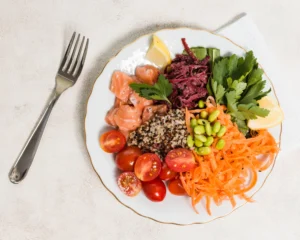
Whole foods are foods close to their natural form, which makes them a smart base for how to lose weight. They tend to be higher in fiber and water and lower in calories per bite. As a result, you can eat a satisfying volume of food and still stay in a deficit.
The Plate Method
Use this easy visual guide for most meals:
- Half your plate: vegetables and fruit
- A quarter of your plate: lean protein
- A quarter of your plate: whole grains or starchy vegetables
- A thumb of healthy fat: olive oil, nuts, or avocado
The Dietary Guidelines for Americans suggest roughly 25 to 38 grams of fiber per day for adults, depending on age and sex. Most people eat far less. Add fiber slowly and drink more water to avoid bloating.
High-Volume, Low-Calorie Foods
| Food | Why it helps |
|---|---|
| Soup (broth-based) | High water content fills you up |
| Leafy greens | Very low calories, lots of volume |
| Berries | Sweet, high fiber, low calories |
| Oats | Slow-digesting and filling |
| Potatoes (boiled) | Highly filling for the calories |
| Popcorn (air-popped) | Large volume for few calories |
NIDDK also shares practical healthy living and weight management tips that fit well with this approach.
Step 5: Cut Liquid Calories and Added Sugar

Drinks are an easy place to save calories. Liquid calories do not fill you up the way solid food does. A single sweetened coffee, soda, or juice can add 150 to 400 calories without making you feel full.
Try these swaps:
- Replace soda with sparkling water.
- Order coffee with milk instead of syrup and whipped cream.
- Drink water before meals.
- Limit alcohol, which adds calories and lowers your self-control around food.
Added sugar is the other quiet culprit. Current U.S. guidance suggests keeping added sugars below 10% of daily calories. Read labels, because sugar hides in sauces, cereals, yogurt, and granola.
If you only change one thing today, change your drinks. It is the simplest answer to how to lose weight with almost no effort.
Step 6: Walk More Every Day to Lose Weight Faster

Exercise is not the main driver of how to lose weight, but it is a powerful partner. It burns calories, protects muscle, lifts your mood, and helps you keep weight off.
The CDC recommends that adults get 150 minutes of moderate-intensity aerobic activity every week, such as brisk walking, plus muscle-strengthening activities on two or more days. Many people need more than that to lose weight, but it is a solid base.
Why Walking Is the Best Starting Point
- It is free and needs no gym.
- It is low impact and easy on the joints.
- You can do it almost anywhere.
- It does not spike your hunger as much as intense exercise can.
You do not need exactly 10,000 steps. Research suggests that health benefits begin at much lower counts, and more steps generally help. Start by adding 1,000 steps to your current daily average, and build up each week.
Easy Ways to Move More
- Walk for 10 minutes after every meal.
- Take the stairs.
- Park farther away.
- Take phone calls while walking.
- Stand up and stretch every hour.
Harvard Health also explains how to build up to recommended activity levels in manageable steps.
Step 7: Lift Weights
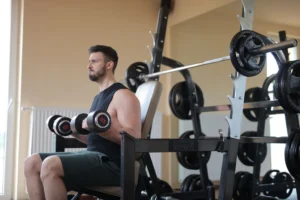
Cardio burns calories while you do it, but strength work is the missing piece in how to lose weight. Strength training builds muscle that keeps your metabolism healthy. When you lose weight without lifting, you can lose muscle along with fat. That makes it harder to keep the weight off.
Aim for two to three full-body sessions per week. Each session can take only 30 to 45 minutes.
A Beginner Full-Body Workout
Do 2 to 3 sets of 8 to 12 repetitions of each move:
- Squats or sit-to-stand from a chair
- Push-ups (on your knees or against a wall at first)
- Dumbbell or resistance band rows
- Glute bridges
- Overhead shoulder press
- Plank for 20 to 40 seconds
Start light and focus on good form. Increase the weight slowly when the last repetitions feel easy. If you are new to exercise or have an injury, consider a session with a certified trainer.
Step 8: Sleep Better

Sleep is the most overlooked part of how to lose weight. When you sleep too little, your hunger hormones shift. You feel hungrier, crave high-calorie foods, and have less energy to exercise.
A large study of women found that those who slept five hours or less per night were more likely to gain weight over time than those who slept seven hours. Observational studies cannot prove cause and effect. Even so, the link is consistent across many studies.
Sleep Tips That Work
- Keep a regular bedtime and wake time, even on weekends.
- Stop using screens 30 to 60 minutes before bed.
- Keep your bedroom cool, dark, and quiet.
- Avoid caffeine after early afternoon.
- Avoid heavy meals right before bed.
Aim for 7 to 9 hours per night. If you snore loudly or feel exhausted all day, ask a doctor about sleep apnea, which is closely linked with excess weight.
Step 9: Manage Stress and Emotional Eating
Stress can push you toward comfort foods. Many people also eat when they are bored, sad, or tired. This is normal. However, it can undo your progress if you do not plan for it.
How to Spot Emotional Eating
Ask yourself these questions before you eat:
- Am I physically hungry, or do I just want comfort?
- Did the urge come on suddenly and demand a specific food?
- What am I feeling right now?
If you are not physically hungry, try one of these first:
- Take a 10-minute walk.
- Drink a glass of water or tea.
- Call a friend.
- Write down how you feel.
- Wait 15 minutes, then decide.
If emotional eating feels out of control, a licensed therapist or a registered dietitian can help. Seeking help is a sign of strength, not weakness.
Step 10: Track Your Progress
What you measure, you can manage, and that holds true for how to lose weight. Tracking helps you see what is working and what is not.
What to Track
- Weight: Weigh yourself once or twice a week at the same time of day.
- Measurements: Check your waist, hips, and chest monthly.
- Photos: Take a front and side photo every two to four weeks.
- Food: Log meals for at least two weeks to learn your habits.
- Non-scale wins: Better energy, looser clothes, stronger lifts, and better sleep.
Body weight naturally moves up and down by a few pounds from day to day because of water, salt, and hormones. For that reason, look at the weekly average instead of any single morning.
Step 11: Break Through Plateaus
Almost everyone hits a plateau when learning how to lose weight. Your body weighs less, so it burns fewer calories than before. Meanwhile, small portion creep can sneak back in.
What to Do When the Scale Stops Moving
- Wait two to three weeks. Water shifts can hide fat loss.
- Re-check your portions. Measure food for a few days.
- Increase your steps. Add 1,000 to 2,000 steps per day.
- Add or increase strength training. Muscle supports your metabolism.
- Cut 100 to 200 more calories. Make only small changes.
- Take a diet break. Eating at maintenance for one to two weeks can help you reset mentally.
If you have followed your plan carefully for a month with no change, speak to your doctor. Thyroid problems, certain medications, and other conditions can affect weight.
Step 12: Build Habits That Last (How to Lose Weight and Keep It Off)
Learning how to lose weight is one challenge. Keeping it off is the bigger one. Most people regain weight because they treat dieting as a short-term project.
Habits That Help You Keep the Weight Off
- Keep moving. People who maintain weight loss tend to stay physically active.
- Keep eating mostly whole foods. Stay consistent most of the time, not perfect all of the time.
- Weigh in regularly. Catch a small gain early.
- Plan for slip-ups. One bad meal or one bad week does not erase your progress.
- Shape your environment. Keep healthy food visible and treats out of sight.
Use the 80/20 Rule
Eat nourishing foods about 80% of the time. Enjoy your favorite foods the other 20%. This approach prevents the “all or nothing” thinking that ruins many plans. It is the most realistic strategy for how to lose weight and keep it off for life.
Do Weight Loss Medications Help?
For some people, lifestyle changes alone are not enough to lose weight. In recent years, prescription medications for weight management have become more common. NIDDK reviews new medications for weight management and explains how they are used alongside diet and activity.
Clinical trials of newer injectable medications, such as semaglutide, have shown average weight loss of around 15% of body weight over about a year and a half. A published review of Wegovy (semaglutide) describes the results and the side effects, which often include nausea and other stomach problems.
Important points to remember:
- These medicines are prescription-only and are not right for everyone.
- They work best with healthy eating, activity, and medical follow-up.
- Weight often returns if the medicine is stopped without a lasting lifestyle plan.
- Cost and insurance coverage vary widely.
Ask your doctor whether medication, or in some cases surgery, is a safe option for you. This is especially worth discussing if your BMI is 30 or higher, or 27 or higher with a related condition such as high blood pressure.
Common Mistakes to Avoid When You Try to Lose Weight
Avoid these traps and you will get ahead of most people who study how to lose weight:
- Skipping meals. It often leads to overeating later.
- Relying on cardio alone. You may lose muscle and slow your metabolism.
- Drinking your calories. Juice, soda, and fancy coffee drinks add up.
- Believing in detox teas and “fat burner” pills. They are rarely backed by strong evidence and can be unsafe.
- Weighing yourself every hour. Daily fluctuations are normal.
- Cutting out entire food groups. This is hard to sustain and may cause nutrient gaps.
- Quitting after a slip. One off-plan meal does not matter. Quitting does.
- Comparing yourself to others. Your body, age, and health history are unique.
A Simple 7-Day Starter Plan

Use this plan to put everything you learned about how to lose weight into practice. Adjust the portions to your own calorie target.
| Day | Breakfast | Lunch | Dinner | Move |
|---|---|---|---|---|
| Mon | Greek yogurt, berries, oats | Chicken salad with olive oil | Salmon, rice, steamed broccoli | 20-minute walk |
| Tue | Veggie omelet, fruit | Lentil soup, whole-grain toast | Stir-fried tofu and vegetables | Strength workout |
| Wed | Overnight oats with chia | Tuna and bean salad | Turkey chili | 30-minute walk |
| Thu | Cottage cheese and fruit | Leftover chili with greens | Grilled chicken, sweet potato, salad | Strength workout |
| Fri | Smoothie with protein powder and spinach | Chickpea and vegetable wrap | Baked fish, quinoa, green beans | 20-minute walk |
| Sat | Eggs, avocado, whole-grain toast | Big vegetable and bean bowl | Homemade pizza on a whole-wheat base | Long walk or hike |
| Sun | Pancakes made with oats and banana | Light soup and salad | Roast chicken with vegetables | Rest, stretch, plan the week |
Daily extras: Drink water through the day, aim for 7 to 9 hours of sleep, and take a short walk after at least one meal.
Your Weekly Checklist
- Weigh in once or twice
- Walk at least 150 minutes
- Do 2 strength sessions
- Prepare meals for the next two days
- Sleep at least 7 hours on most nights
- Review what worked and what did not
When to See a Doctor Before You Learn How to Lose Weight
Speak with a healthcare professional before starting if any of these apply to you:
- You have diabetes, heart disease, kidney disease, or high blood pressure
- You take regular medication
- You are pregnant or breastfeeding
- You have a history of an eating disorder
- You are losing weight without trying
- You feel dizzy, weak, or unwell on your plan
A doctor or registered dietitian can show you how to lose weight with a plan that fits your needs and keeps you safe.
About How to Lose Weight
What is the fastest way to lose weight safely?
The fastest safe way is a daily deficit of 500 calories or so, higher protein, daily walking, and strength training. This usually produces 1 to 2 pounds of loss per week. Faster loss is possible early on, but much of it is water. Extreme plans risk muscle loss and regain.
How can I lose weight without exercise?
How to lose weight without exercise comes down to food. You can lose weight through food changes alone because the calorie deficit drives weight loss. Cut sugary drinks, control portions, and eat more protein and fiber. Even so, exercise helps you keep muscle, feel better, and maintain your result, so add light walking when you can.
How much weight can I lose in a month?
Most people can safely lose 4 to 8 pounds (about 2 to 4 kg) in a month. Results vary by starting weight, age, sex, and activity. People with more weight to lose often lose faster at first.
How can I lose belly fat?
You cannot choose where your body loses fat. Spot reduction does not work. A calorie deficit, strength training, good sleep, and lower stress gradually reduce fat everywhere, including around your waist.
What foods help you lose weight?
No single food melts fat. However, foods high in protein and fiber help you stay full. Good choices include eggs, fish, chicken, beans, lentils, vegetables, fruit, oats, Greek yogurt, and nuts in small portions.
Is intermittent fasting good for weight loss?
Intermittent fasting works for some people because it makes it easier to eat fewer calories. Studies generally show it performs similarly to regular calorie cutting. The best method is the one you can follow consistently. Avoid it if you are pregnant, have diabetes, or have a history of disordered eating, unless a doctor approves.
Why am I not losing weight even though I eat less?
Common reasons include underestimating portions, weekend overeating, water retention, too little sleep, high stress, and a normal plateau. Medical issues such as thyroid disorders can also play a role. Track your food carefully for two weeks, and speak to a doctor if the scale still does not move.
How long does it take to see results?
Many people notice changes in energy and how clothes fit within two to four weeks. Visible changes in the mirror often take four to eight weeks. Lasting results take months, so patience is part of the plan.
Do I need to count calories?
Not forever. Counting for a few weeks teaches you portion sizes and calorie values. After that, many people switch to simple rules such as the plate method, protein at every meal, and mindful eating.
Is it okay to have cheat meals?
Yes, in moderation. An occasional treat can make your plan easier to follow. Plan it, enjoy it, and return to your normal routine at the next meal. Avoid turning one meal into a whole “cheat day.”
Your Next Step
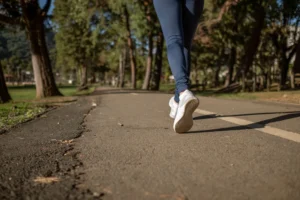
Now you know how to lose weight in a way that is safe, simple, and science-based. Remember the core ideas: a modest calorie deficit, plenty of protein and fiber, daily walking, strength training, good sleep, and patient tracking. Medication or medical care can help when lifestyle changes are not enough.
You do not need a perfect plan. You need a plan you will follow. Start small today with one action:
- Swap one sugary drink for water.
- Take a 10-minute walk after dinner.
- Plan tomorrow’s lunch.
Then repeat it tomorrow. Small steps, repeated for months, are the real secret of how to lose weight and keep it off.
Ready to begin? Save this guide, share it with a friend who wants to join you, and print the weekly checklist above. Check back with theseecom.com for more practical health and lifestyle guides.
Medical disclaimer: The information in this article is for general education and does not replace professional medical advice, diagnosis, or treatment. Always consult a qualified healthcare provider before changing your diet or exercise routine.

The Seecom is your trusted source for unbiased reviews, expert analysis, and comprehensive comparisons to help you choose with confidence.

Other Articles

Ahrefs Backlink Checker: Free vs Paid Guide (2026)
ESPN Fantasy Football: The Complete Guide to Play, Draft and Win